


About Structural Integration

“Practitioners of SI do not feel ourselves to be therapists. The gravitational field is the therapist. What we do is prepare the body to receive the support from the gravitational field which gives a greater sense of well being”
— Ida P. Rolf
Structural Integration (SI) is a holistic bodywork modality pioneered by Ida P. Rolf. It understands the body as a single contiguous structure of fascial connections, in which bones, muscles, and organs are integrated in gravity. Gravity is constant; the body adapts. Structural Integrators don’t seek to “fix” their clients. They support the body’s natural ability to balance and adapt. SI is a systematic approach to working with the fascial network to open up opportunities for the body to reorganize itself in gravity. This can mean unwinding old patterns that no longer serve you so new, more supportive patterns can take their place.
The traditional approach of Rolf, the 10-series, takes the client through an arc of ten sessions, each focusing on a different part of the whole, and each preparing the system for the next part of the series. There is a beginning and, crucially, there is a defined end. Different lineages of Structural Integrators have tweaked and modified what gets covered in each session, and even how many sessions there are in a series. But all Structural Integrators share the same conceptual framework and most of the same techniques.
By the end of the series, change has happened in the body’s relationship to gravity and been integrated into the client’s “map” of their body and how it moves. There may be occasional maintenance sessions, but the goal is that after the series there is no need for ongoing, regular sessions.
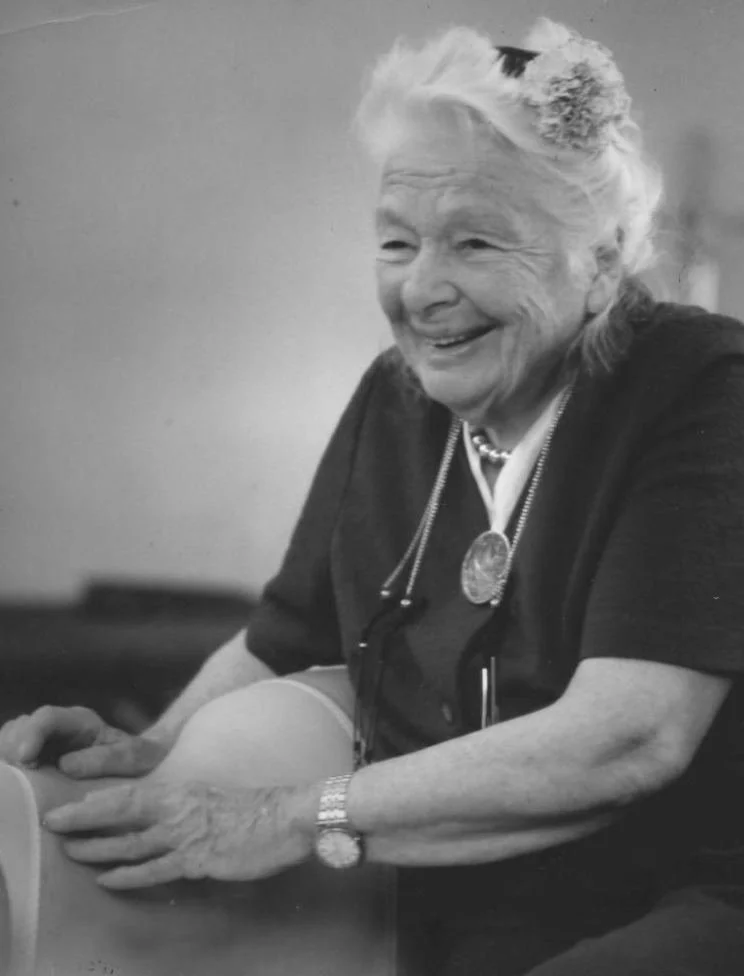
Ida Pauline Rolf
HOW is SI different from massage?
If you are accustomed to receiving massage, there are some immediate differences you will notice. Structural Integration is practiced on a clothed client, usually wearing form-fitting clothing which allows free movement, such as one might wear to the pool or gym. Because the client is clothed, draping with a sheet is more for comfort than to protect client modesty.
There are assessments of the client in various postures and movements before, during, and after the hands-on portions of the session. In addition to hands-on bodywork, SI makes use of movement education to help the client track and integrate the changes in their system. This often happens during the “closing work” at the end of the session.
Because much of the hands-on work involves “hooking” into tissue to move and free it from surrounding tissues, there is little to no lubricant used. The client is also asked to contribute with movement while the practitioner applies strokes.
But the most critical difference is the intent and lens through which the work is done. Where even a treatment-based massage may be directly or indirectly focused on symptom relief, SI seeks to create a better relationship between the entire body and gravity. This creates lasting change in the imbalances that cause pain and reduced function. Symptom relief is simply a welcome byproduct of this process.